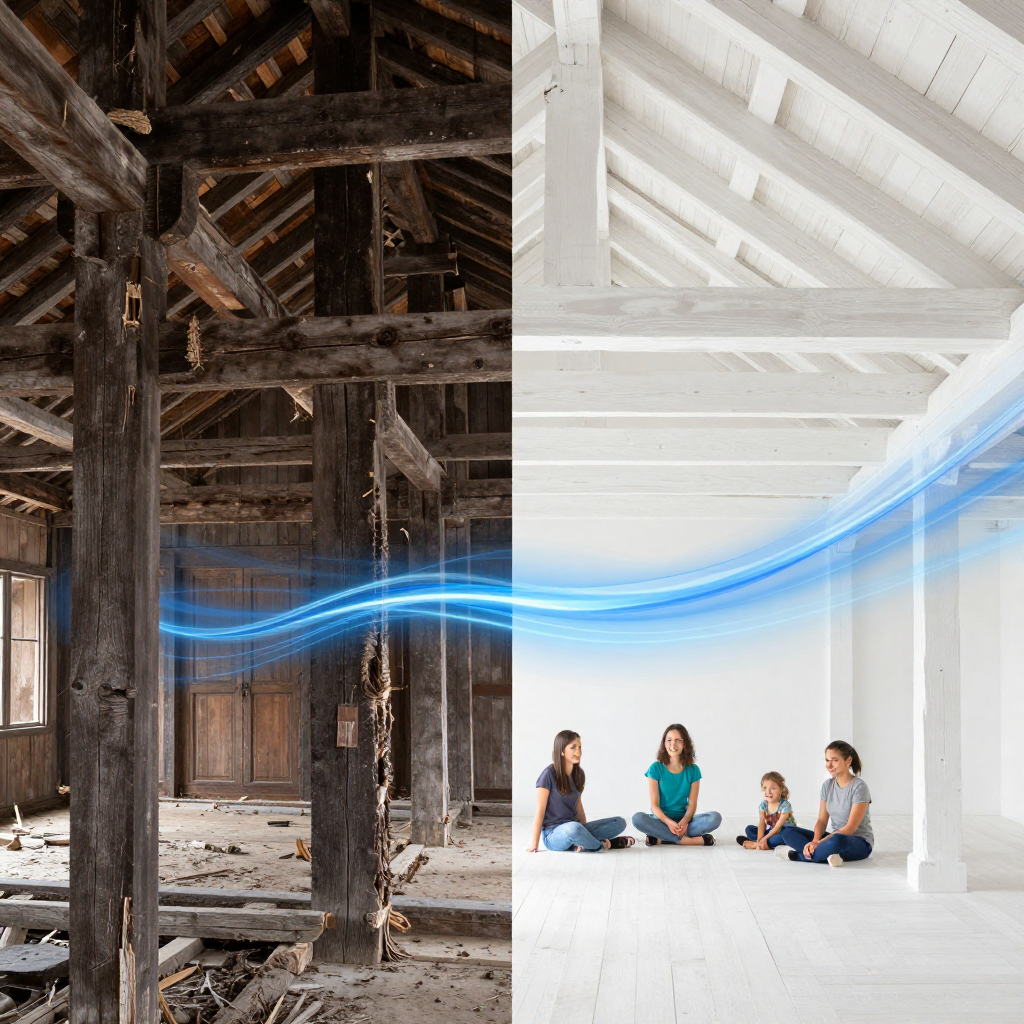
For decades, pesticides have been the primary solution for protecting timber from wood-boring insects. From residential homes to historic buildings, chemical treatments have helped manage infestations caused by woodworms, termites, and other destructive pests. However, growing environmental awareness, advances in technology, and a greater focus on preserving valuable timber have led to a new generation of wood pest control methods.
Today, property owners, restoration professionals, and conservation specialists are increasingly looking for solutions that are both effective and environmentally responsible. Among the most promising innovations is microwave technology, which eliminates active wood-boring insects without relying on chemical pesticides. Shashel is at the forefront of this modern approach, offering advanced microwave systems designed to protect timber while preserving its natural integrity.
The Evolution of Wood Pest Control
Wood has been one of humanity’s most important building materials for centuries. From homes and barns to churches, bridges, and furniture, timber has played a vital role in construction and craftsmanship.
As wooden structures became more common, so did the need to protect them from insects that feed on wood.
Traditional methods have included:
- Surface-applied insecticides
- Chemical wood preservatives
- Fumigation
- Replacement of damaged timber
- Preventive chemical coatings
While these methods can be useful in certain situations, they also have limitations, particularly when insects are hidden deep inside thick wooden structures.
The Challenges of Chemical Treatments
Chemical treatments have long been used to control wood-boring insects, but they are not always the ideal solution for every property or project.
Some common challenges include:
- Limited penetration into dense timber
- Chemical residues remaining on treated surfaces
- Strong odors during application
- The need for repeated treatments in some situations
- Environmental concerns related to pesticide use
These factors have encouraged the search for alternatives that provide effective pest control while reducing reliance on chemicals.
Why Hidden Pests Are Difficult to Eliminate
Woodworms spend most of their lives inside timber.
After eggs hatch, the larvae tunnel beneath the surface and feed on cellulose for several years before emerging as adult beetles.
Because the insects remain concealed, they may attack:
- Roof beams
- Floor joists
- Structural framing
- Wooden ceilings
- Staircases
- Antique furniture
- Decorative woodwork
Surface treatments may not always reach insects located deep within the timber, making effective control more challenging.
The Rise of Microwave Technology
Modern microwave technology approaches wood pest control differently.
Instead of relying on chemical toxicity, it uses carefully controlled non-ionizing electromagnetic energy.
As the energy passes through the timber, moisture-rich insects absorb it more efficiently than seasoned wood. Their internal temperature rises until they can no longer survive.
This process can eliminate:
- Eggs
- Larvae
- Pupae
- Adult beetles present within the treated area
Because the treatment targets active insects inside the wood, it provides a practical and chemical-free alternative to conventional pesticide-based methods.
How Shashel Is Driving Innovation
Shashel has developed microwave systems that combine scientific principles with practical wood preservation.
Rather than coating timber with chemicals, the technology focuses on treating the infestation where it exists.
This modern approach offers several important advantages:
Chemical-Free Treatment
No pesticides, fumigants, or toxic preservatives are required.
Deep Internal Action
Microwave energy targets insects hidden inside the timber rather than relying only on surface contact.
No Chemical Residues
The treatment leaves wooden surfaces clean, without lingering insecticide deposits.
Environmentally Responsible
Reducing chemical use supports sustainable building maintenance and conservation practices.
Targeted Application
Only the affected timber needs to be treated, minimizing disruption to the surrounding structure.
Preserving Historic Buildings
Many of Europe’s most treasured buildings depend on original timber that has survived for centuries.
Historic structures often include:
- Churches
- Castles
- Museums
- Libraries
- Timber-framed houses
- Heritage hotels
- Traditional farmhouses
Replacing original wood can reduce historical authenticity and increase restoration costs.
Because microwave treatment is chemical-free and carefully controlled, Shashel supports conservation efforts focused on preserving original materials whenever possible.
Benefits for Modern Homes
The advantages of next-generation wood pest control extend beyond heritage buildings.
Homeowners appreciate solutions that help protect:
- Roof structures
- Wooden floors
- Ceiling beams
- Staircases
- Decking components
- Built-in timber features
- Antique furniture
- Decorative woodwork
A chemical-free approach also helps maintain a comfortable indoor environment by avoiding lingering odors or pesticide residues.
Sustainability and the Future of Pest Control
Across Europe and many other regions, sustainability has become a major consideration in building maintenance.
Modern property owners increasingly prefer solutions that:
- Reduce environmental impact
- Minimize chemical use
- Preserve existing building materials
- Extend the lifespan of timber
- Support responsible conservation
Microwave technology aligns with these priorities by providing effective woodworm treatment without routine dependence on traditional pesticides.
Prevention Still Plays an Important Role
Even the most advanced treatment works best when combined with good maintenance practices.
To help reduce the risk of future infestations:
- Keep timber dry.
- Repair roof and plumbing leaks promptly.
- Improve ventilation in enclosed spaces.
- Monitor indoor humidity.
- Inspect exposed timber regularly.
- Investigate new exit holes or frass without delay.
Preventive care helps preserve the condition of wooden structures for many years.
Why Innovation Matters
The future of wood preservation is moving toward technologies that are more precise, efficient, and environmentally responsible.
Instead of focusing only on eliminating pests, modern solutions aim to:
- Preserve original timber
- Reduce unnecessary chemical exposure
- Minimize disruption during treatment
- Improve long-term building conservation
- Support sustainable property management
Through continuous innovation, Shashel is contributing to this evolution by providing microwave technology that addresses active wood-boring insects while respecting the value of the timber itself.
Looking Ahead
As research and technology continue to advance, wood pest control is expected to become even more targeted and sustainable. Property owners, restoration specialists, and conservation professionals are increasingly adopting methods that combine scientific precision with practical results.
Microwave technology represents an important step forward, offering an effective way to eliminate hidden pests while reducing reliance on conventional chemical treatments. As awareness grows, these modern solutions are likely to become an increasingly common part of timber preservation strategies around the world.
Conclusion
The future of wood pest control extends far beyond traditional pesticides. While chemical treatments continue to have applications in certain situations, advances in microwave technology provide a modern alternative for eliminating wood-boring insects hidden deep inside timber.